
Is Tanzania Safe for Tourists?
Short answer: yes. Tanzania is one of Africa's safest and most established safari destinations, welcoming well over a million international visitors a year. Here is an honest, detailed breakdown of what that actually means for you.
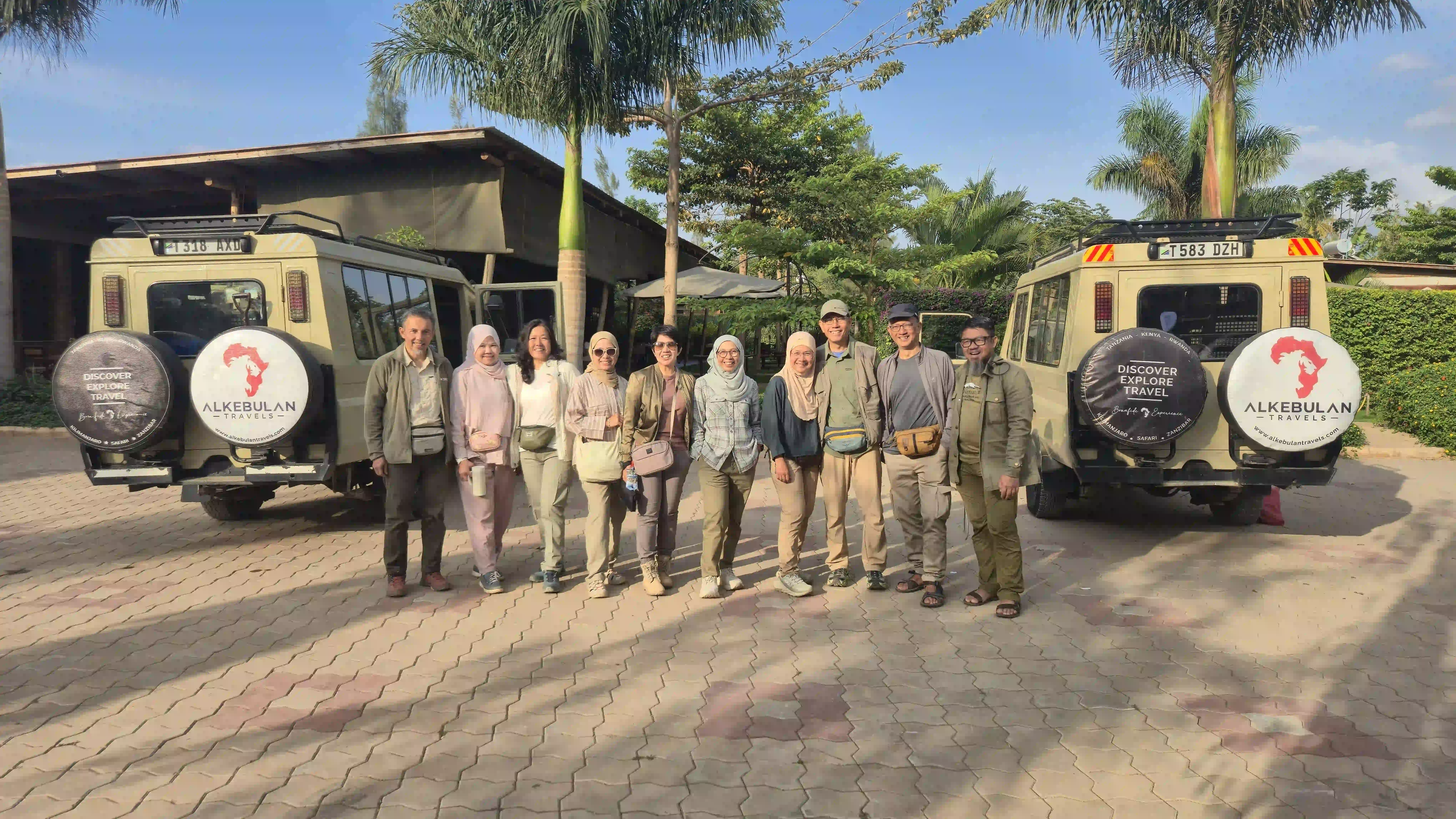
Quick Safety Snapshot
| Category | Risk Level | Why |
|---|---|---|
| Violent Crime | Low | Rare against tourists, especially outside city centers and on guided itineraries. |
| Petty Theft | Moderate | Occasional pickpocketing in busy markets and bus stations in Dar es Salaam. |
| Road Travel | Moderate | Road quality varies — mitigated entirely by using licensed operator vehicles and drivers. |
| Malaria & Health | Moderate | Preventable with prophylaxis, repellent, and standard travel vaccinations. |
| Political Stability | Low | One of the more politically stable nations in the region since independence. |
Tanzania's Overall Safety Record
Tanzania has been one of Africa's most politically stable nations since independence in 1961, with tourism forming a critical pillar of its economy. Areas visited by tourists — national parks, safari lodges, Zanzibar's beach resorts, and Kilimanjaro's trekking routes — are among the most closely monitored, well-established regions in the country, precisely because so much of the local economy depends on visitor confidence. This doesn't mean risk is zero anywhere in the world, including at home, but it does mean the areas your itinerary will actually take you through are built around decades of tourism experience.
Petty Crime & Common Scams
Like most tourist destinations, Tanzania's main cities — particularly Dar es Salaam, and to a lesser extent Arusha — see occasional pickpocketing, bag-snatching, and overcharging in busy markets or bus stations. Genuine violent crime targeting tourists is rare, especially outside these urban centers. Simple precautions — not displaying valuables, using licensed transport, keeping copies of your documents, agreeing on prices before a purchase — eliminate almost all of the risk. Guided itineraries like ours avoid the highest-risk urban touts entirely by handling transfers, park entries, and logistics directly on your behalf.
Wildlife Safety on Safari
The wildlife itself is the most carefully managed part of a well-run safari. Professional guides are trained to read animal behavior, keep a safe distance, and know exactly where it is and isn't safe to leave the vehicle. Serious incidents involving tourists on guided game drives are extremely rare, and almost always trace back to someone ignoring a guide's direct instruction. Camps and lodges also brief guests on basic rules, such as being escorted after dark, since smaller wildlife occasionally wanders through unfenced properties at night.
Road Safety & Transport
Road conditions vary significantly across Tanzania, and this is realistically one of the higher-risk factors of any trip here — as it is in most developing countries. The safest approach, and the one we always use, is a licensed operator with a well-maintained 4x4 safari vehicle and an experienced local driver-guide who knows the routes. We strongly discourage self-driving or using unlicensed public transport, especially at night or on long-distance routes between towns.
Health & Medical Precautions
Malaria is present in most of Tanzania below the highlands, so prophylaxis (as advised by your doctor) and mosquito precautions — repellent, covering up at dusk — are standard practice. A yellow fever vaccination certificate is required if you are arriving from a country with risk of transmission, so check current requirements before you travel. We also strongly recommend travel insurance that includes medical evacuation coverage — standard advice for any remote safari destination worldwide, not a Tanzania-specific concern.
Political Stability & Travel Advisories
Tanzania has a long history of peaceful elections and political continuity relative to many countries in the region. That said, official government travel advisories change over time based on current events, so we recommend checking your own government's latest travel advisory shortly before departure, rather than relying on any single source — including this one.
Tips for Solo and Female Travelers
Tanzania is a well-established solo and female-travel destination, particularly within organized safari and trekking groups where you're never truly alone. Female travelers consistently report feeling comfortable on guided trips. The same common-sense precautions that apply anywhere — avoiding unlit areas at night, using vetted transport, and dressing modestly in conservative areas and at markets — go a long way.
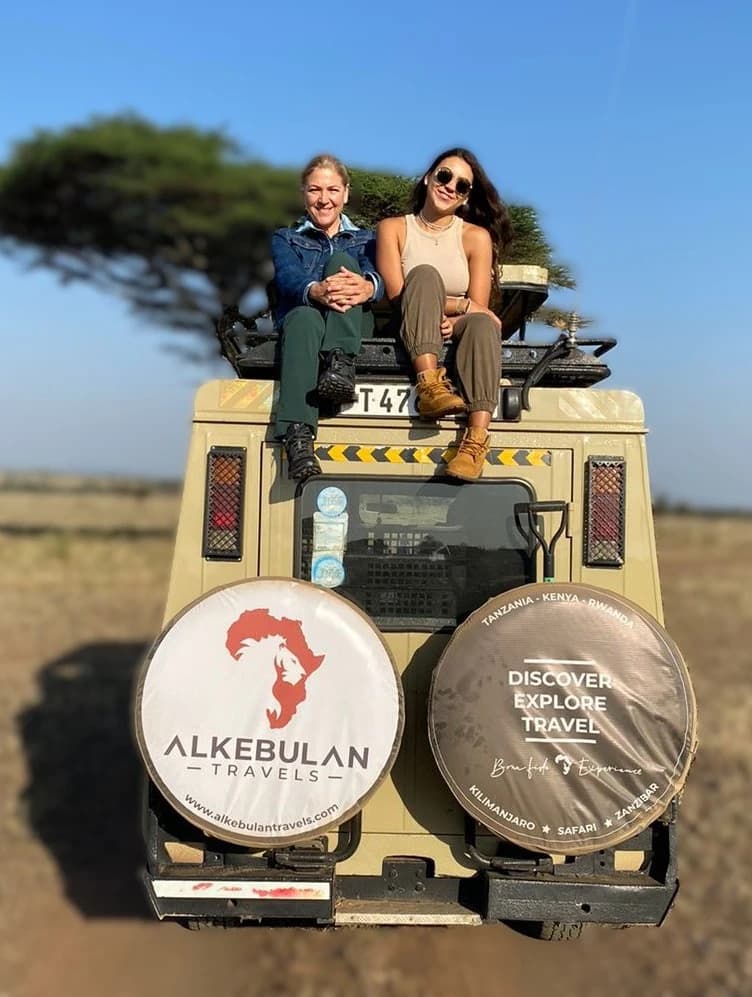
How Alkebulan Travels Keeps You Safe
Safety isn't an add-on — it's built into how every trip is planned and run.
Licensed & Registered
Fully registered with TATO (Tanzania Association of Tour Operators), TALA, and BRELA, and recognized by the Tanzania Tourist Board.
First Aid Trained Guides
Every guide carries a first aid kit and is trained to respond to medical situations on safari or on the mountain.
Vetted Vehicles & 24/7 Support
Well-maintained 4x4 vehicles and direct, round-the-clock contact with our Arusha office throughout your trip.
Frequently Asked Questions
Ready to Experience Tanzania Safely?
Every Alkebulan Travels itinerary is led by licensed, first-aid-trained guides in vetted vehicles, so you can focus on the adventure, not the logistics.