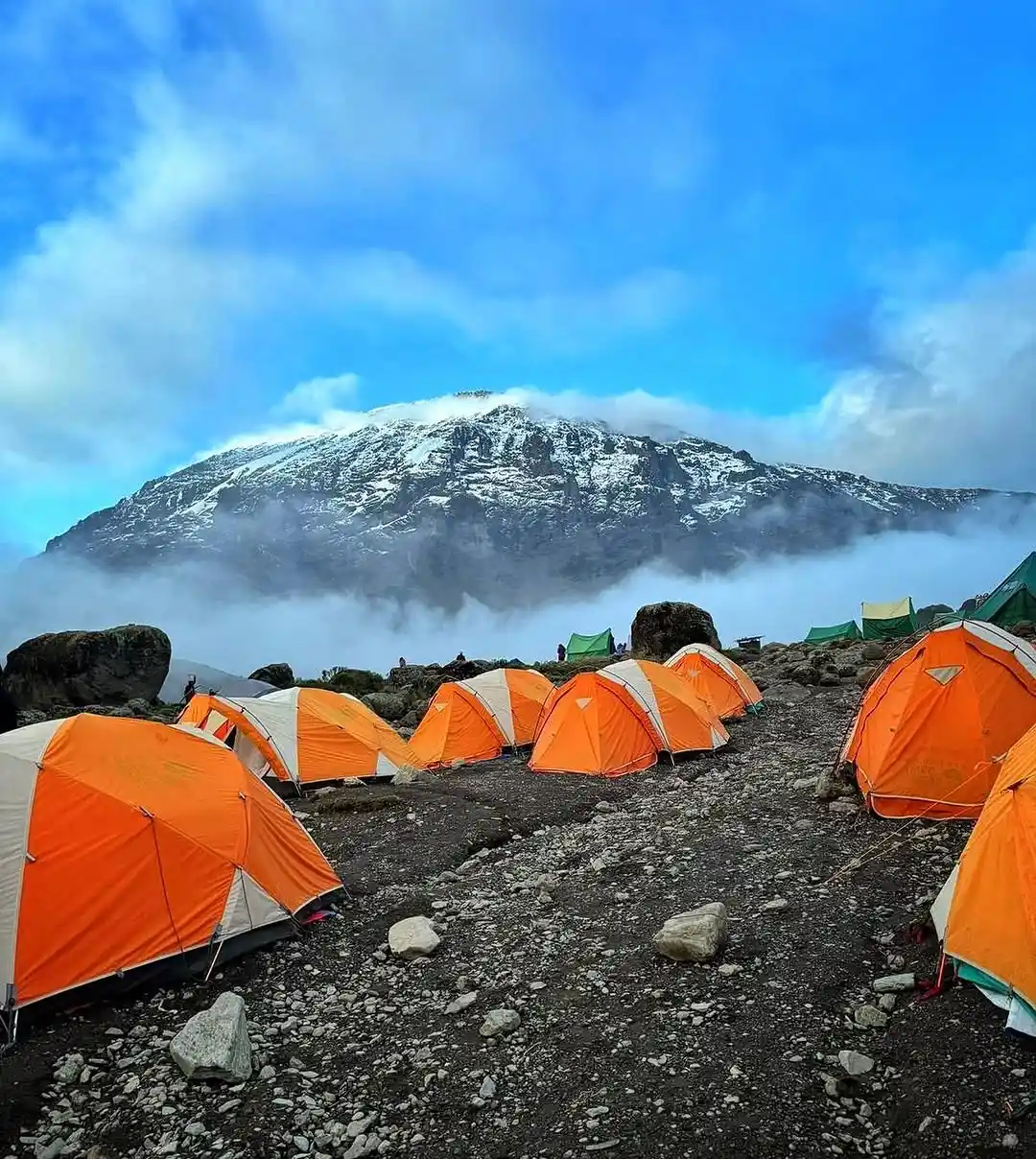
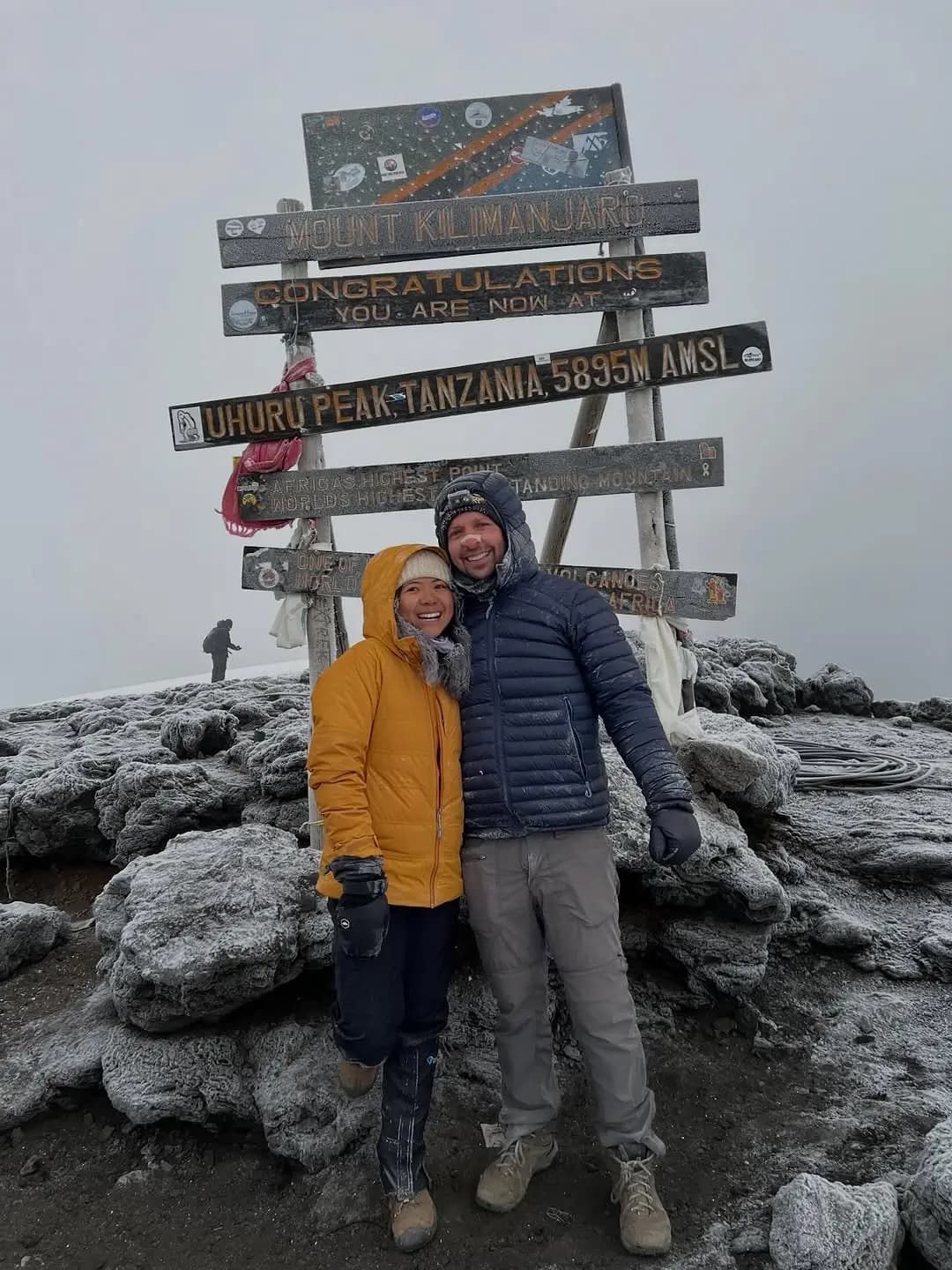

At 5,895 meters, Uhuru Peak sits at an altitude where the air holds roughly half the oxygen available at sea level. Altitude-related illness — not fitness — is the single biggest reason climbers fail to summit Kilimanjaro. The good news is that, according to the CDC's Yellow Book guidance on high-altitude travel, Acute Mountain Sickness (AMS) is largely preventable with the right pacing, route choice, and awareness of your body's signals.
Why 'Pole Pole' Matters
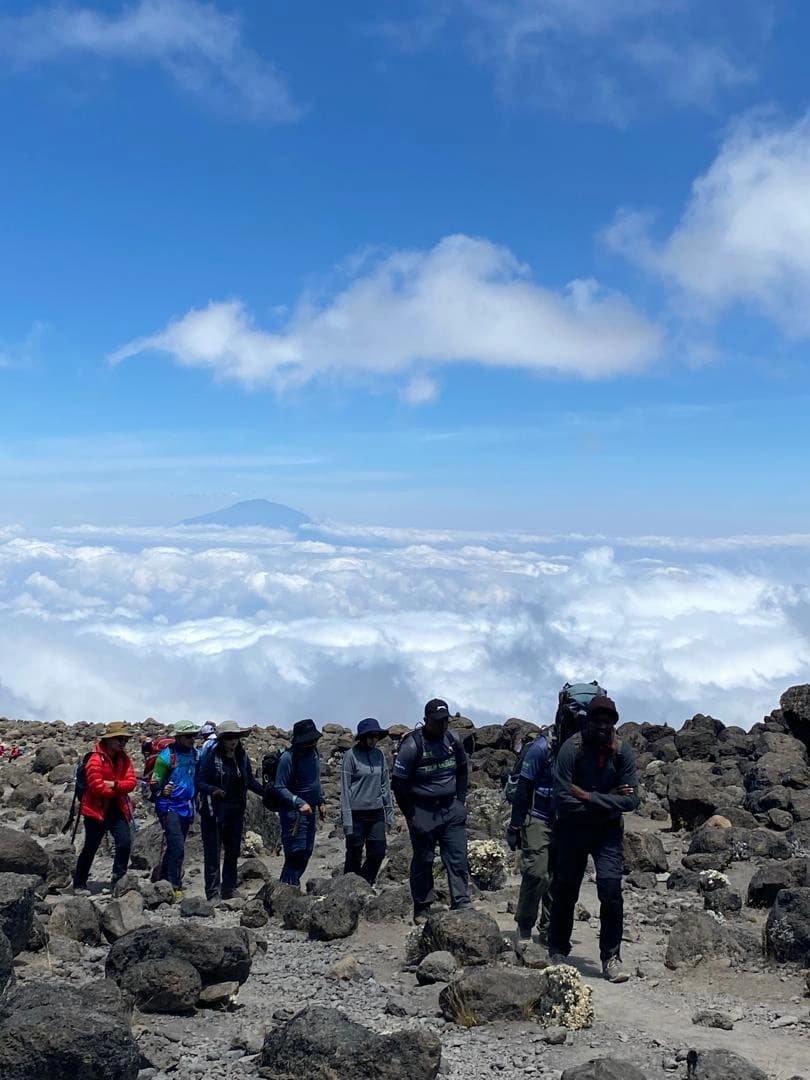
'Pole pole' (POH-lay POH-lay) is Swahili for 'slowly, slowly,' and it's the single most important phrase you'll hear from your guide. Climbing slowly gives your body time to acclimatize — to produce more red blood cells and adjust your breathing rate — as you gain altitude. Climbers who rush the trail, even if they feel physically capable, are significantly more likely to develop AMS symptoms higher up the mountain.
Recognizing the Symptoms
Our guides are trained to check climbers daily using a pulse oximeter and a standardized symptom questionnaire (the Lake Louise Score), and will recommend descent immediately if symptoms progress beyond mild.
- Mild AMS: headache, nausea, fatigue, loss of appetite, difficulty sleeping
- Moderate AMS: worsening headache unrelieved by painkillers, vomiting, increasing fatigue, mild shortness of breath
- Severe AMS (a medical emergency): confusion, loss of coordination, severe shortness of breath at rest, coughing up fluid — these require immediate descent
How Route Choice Affects Your Risk
This is the most controllable factor in preventing AMS: choose a longer route. The 'climb high, sleep low' principle built into routes like Machame (7 days), Lemosho (8 days), and the Northern Circuit (8–9 days) gives your body repeated exposure to altitude followed by a lower sleeping elevation, dramatically improving acclimatization compared to shorter itineraries like the 5-day Marangu route.
Practical Prevention Steps
- Choose a 7-day or longer route rather than the fastest option available
- Stay deliberately hydrated — aim for 3–4 liters of water per day on the mountain
- Eat, even without appetite — your body needs the calories to generate heat and energy at altitude
- Avoid alcohol and sleeping pills, both of which suppress your breathing rate overnight
- Discuss Diamox (acetazolamide) with your doctor before travel — many climbers take it preventatively starting a day before ascending above 3,000m
- Report symptoms to your guide immediately rather than pushing through them — early reporting is what makes descent safe and timely if it's ever needed
Our Safety Protocol
Every Alkebulan Travels climb includes daily oximeter checks, guides trained in Wilderness First Aid, and an established descent and evacuation protocol on every route. Combined with sensible route selection, this is why our climbers consistently summit at rates well above the mountain-wide average.
Worried about altitude on your climb?
We'll match you to a route with the acclimatization profile that gives you the safest, highest-success path to Uhuru Peak.
Frequently Asked Questions
Sources & Further Reading
Dr. Lema
Expedition Medical Advisor at Alkebulan Travels